Florida has quietly become one of the most crypto-forward states in the country. Miami's Brickell district now hosts more blockchain startups per square mile than almost anywhere outside Silicon Valley. Tampa's tech scene has exploded with Web3 builders and DeFi-native businesses. Orlando is developing a growing community of NFT artists and metaverse developers. And Jacksonville? It's emerging as a quiet hub for long-term Bitcoin holders who take self-custody seriously.
All of that activity means Floridians are increasingly asking the right question: which wallet should I actually be using? Not just which app looks nice — but which one genuinely protects your crypto, gives you full control, and works smoothly for how you actually use it. This guide breaks down the best crypto wallets available in Florida in 2026, with honest assessments of what each one does well and where it falls short.
Main Takeaways
Best Overall Crypto Wallet in Florida 2026: Tangem
Best Hot Wallet: MetaMask, especially for Ethereum and DeFi
Best Cold Storage: Tangem Wallet
Best Mobile Wallet: Trust Wallet
Best for Desktop Users: Exodus
Best for Beginners: Coinbase Wallet
Best for Staking: Crypto.com DeFi Wallet
Best MPC Wallet: Zengo
How to Choose the Best Crypto Wallet
With dozens of wallets competing for your attention, it's easy to get overwhelmed. The good news: once you know what actually matters, the decision gets a lot clearer. Here's what to look for.
Security: This is non-negotiable. Look for wallets that give you full control over your private keys — meaning no third party can access or freeze your funds. The gold standard is a hardware wallet with a certified Secure Element chip, which keeps your keys completely offline. For hot wallets, prioritize open-source code that has been independently audited, plus biometric or two-factor authentication. In Florida's active DeFi scene, where users are constantly connecting to new protocols and signing transactions, strong security hygiene is especially important.
Ease of Use: A wallet you find confusing is a wallet you'll use incorrectly — and mistakes in crypto are usually permanent. The best wallets strike a balance: simple enough that a first-timer can set it up without a tutorial, but capable enough that experienced users don't feel limited. Pay attention to how the wallet handles recovery. A clean, guided backup process can be the difference between keeping your crypto and losing it forever.
Cross-Chain Support: Florida investors tend to be active across multiple ecosystems. You'll want a wallet that covers Bitcoin, Ethereum and EVM-compatible chains, Solana, Avalanche, Polygon, BNB Chain, and Tron at minimum. Ideally, you shouldn't need a different wallet every time you explore a new chain.
Cost and Reputation: Wallet fees come in two forms: the cost of the hardware (for cold wallets) and the fees embedded in swaps or transactions. Always check what the wallet charges on top of standard network fees. Reputation matters too — stick with wallets that have a track record of responsible security disclosures, regular updates, and transparent company practices.
DeFi and NFT Support: If you're active in DeFi or the NFT space, your wallet needs to handle more than basic sends and receives. Look for reliable WalletConnect support, a built-in dApp browser, compatibility with ERC-721 and SPL token standards, and smooth bridging between chains. The wallet should feel like a gateway to Web3, not a barrier to it.
Quick Wallet Comparison Table (2026)
Wallet
Hot/Cold
Best For
Key Features
Tangem
Cold
Security and long-term holding
Seedless backup, NFC tap-to-sign, CC EAL6+ Secure Element
MetaMask
Hot
Ethereum & DeFi
dApp browser, cross-chain bridges, custom RPC
Trust Wallet
Hot
Mobile users
100+ blockchains, in-wallet staking, NFT support
Ledger Nano X
Cold
Long-term holding
Bluetooth, Ledger Live app, 5,000+ assets
Crypto.com Wallet
Hot
Staking & yield
Integrated yield tools, multi-chain bridging
Zengo
Hot
MPC security
No seed phrase, threshold cryptography, biometric login
Exodus
Hot
Desktop users
260+ assets, portfolio tracking, Trezor pairing
Best Hot Crypto Wallets (2026)
MetaMask: Best for Ethereum & DeFi
MetaMask is the undisputed king of Ethereum and EVM-compatible wallets, and for good reason. With over 30 million monthly active users globally, it's essentially the default gateway to DeFi. The browser extension integrates seamlessly with every major protocol — Uniswap, Aave, Curve, OpenSea, you name it — while the mobile app brings that same connectivity to your phone. For Miami's DeFi-heavy user base, MetaMask feels less like a wallet and more like an operating system for Web3.
One thing worth noting: MetaMask has made significant strides in its security tooling, adding transaction simulation and phishing detection to flag suspicious requests before you sign them. That's a meaningful improvement over earlier versions that showed you raw hex data and hoped for the best.
Key features:
Custom RPC support for any EVM chain
NFT gallery with display and transfer tools
Hardware wallet integration (Ledger, Trezor)
Built-in swaps with fee transparency
Transaction simulation and phishing alerts
Bridge aggregator for cross-chain transfers
Pros:
The most widely supported wallet in Web3 — virtually every dApp works with it
Excellent developer ecosystem with extensive documentation
Regular security updates with meaningful feature additions
Easy to switch between networks in one click
Cons:
Hot wallet — private keys live on your internet-connected device
EVM-only; no native Bitcoin or Solana support
Swap fees include a service markup on top of network gas
Browser extension can be a phishing target if you're not careful with what you install
Trust Wallet: Best for Mobile Users
Trust Wallet has earned its spot as Florida's go-to mobile wallet for users who want broad chain access without juggling multiple apps. Supporting over 100 blockchains and millions of tokens, it's one of the most versatile hot wallets available. The built-in dApp browser gives you direct access to DeFi protocols across Ethereum, BNB Chain, Solana, and beyond, and the staking dashboard makes earning yield on idle assets genuinely straightforward.
One thing to keep in mind: Trust Wallet is owned by Binance. That doesn't affect how your keys are stored (they remain on your device), but it's worth considering from a data privacy and independence standpoint.
Key Features:
Supports 100+ blockchains including Bitcoin, Ethereum, Solana, BNB Chain, and Tron
In-wallet token swaps via DEX aggregation
Non-custodial with on-device private key storage
Native dApp browser for DeFi and NFT access
Transaction risk alerts for suspicious activity
Pros:
Excellent multi-chain coverage in a single app
Strong NFT support across multiple standards
Free to use with no subscription fees
Beginner-friendly interface with clean navigation
Cons:
Mobile-only — no desktop version
Owned by Binance, which raises data privacy questions for some users
Swap fees aren't always fully transparent
Hot wallet security limitations apply — not suitable for large long-term holdings
Coinbase Wallet: Ideal for Beginners
It's important to distinguish Coinbase Wallet from the Coinbase exchange. The exchange is custodial — Coinbase holds your keys. Coinbase Wallet is a separate, non-custodial app where you hold your own keys. For Florida newcomers making the jump from the exchange to true self-custody, this is the most natural bridge. The familiar branding reduces the learning curve, and the onboarding experience is probably the smoothest of any self-custody wallet available.
The app supports Ethereum, Bitcoin, Solana, and dozens of other networks, and the built-in dApp browser gives access to DeFi and NFT platforms. Direct integration with the Coinbase exchange means you can move assets from exchange to self-custody in seconds.
Key Features:
Non-custodial self-custody with on-device key storage
NFT display, management, and transfers
Seamless connection to Coinbase exchange
Built-in dApp browser
Encrypted seed phrase backup to cloud (optional)
Pros:
The easiest transition from centralized exchange to self-custody
Clean, polished interface on both mobile and browser extension
Fiat on-ramp directly from the app
Trusted brand name lowers the confidence barrier for new users
Cons:
Limited EVM chain support compared to MetaMask
Not open-source — code cannot be independently verified
Swap fees include a Coinbase markup
Still a hot wallet — unsuitable for large holdings without hardware backup
Crypto.com DeFi Wallet: Best for Staking
If passive income from staking is your priority, Crypto.com's DeFi Wallet is worth serious consideration. The app integrates tightly with Crypto.com's broader ecosystem, giving Florida investors easy access to high-yield staking for CRO, ETH, and a range of other assets. The yield dashboard presents everything in a clear, accessible format — no command lines or manual validator setup required.
The wallet is non-custodial, meaning your keys stay on your device. That said, the deep integration with Crypto.com's platforms means you're somewhat tied to their ecosystem, which is worth considering if you value complete independence.
Key Features:
Staking for ETH, CRO, ATOM, and other supported assets
Multi-chain support with bridging tools
DeFi Earn integration for yield strategies
WalletConnect for dApp access
Pros:
Staking interface is genuinely beginner-friendly
Good selection of yield-generating options
Non-custodial key management
Cons:
Ecosystem-locked — best yields require using Crypto.com products
Less flexible than MetaMask for advanced DeFi
Crypto.com has faced regulatory scrutiny in several markets
Exodus: Best for Desktop Multi-Asset Management
Exodus earns its reputation on design and usability. If you spend time in front of a desktop and want a wallet that shows you your entire portfolio at a glance — clean charts, real-time valuations, built-in swap functionality — Exodus delivers a genuinely premium experience. The optional Trezor hardware integration means you can get cold storage security while still using the Exodus interface you're comfortable with.
The main caveat is that Exodus is closed-source. For security-conscious users, that's a significant limitation — there's no way to independently verify how the software handles your private keys. The swap fees also include a platform markup that can add up on frequent trades.
Key Features:
260+ supported assets across major blockchains
Available on Windows, Mac, Linux, iOS, and Android
Optional Trezor hardware wallet pairing
Portfolio tracking with live price charts
Built-in exchange with multi-chain routing
Pros:
Outstanding interface design — one of the best-looking wallets available
Desktop and mobile sync keeps your portfolio consistent
Good customer support for a self-custody product
Cons:
Closed-source — cannot be independently audited
Swap fees are higher than DEX aggregator alternatives
Hot wallet by default without Trezor pairing
Zengo: Best for MPC Security
Zengo takes a fundamentally different approach to wallet security. Instead of a traditional private key and seed phrase, it uses Multi-Party Computation (MPC) — a cryptographic technique that splits your key into multiple encrypted shares, none of which are ever assembled in one place. The practical effect is that there's no single seed phrase to steal, lose, or accidentally photograph. Recovery uses a combination of biometrics and an encrypted backup, which is genuinely more user-friendly than writing down 24 words.
The tradeoff is that Zengo's model is not fully non-custodial in the traditional sense — one share of the key is held on Zengo's servers, meaning there's an element of trust in the company's infrastructure. For most users the security is excellent, but crypto purists who want zero reliance on any third party will prefer a hardware wallet.
Key Features:
MPC threshold cryptography — no seed phrase
Biometric login with face recognition recovery
Web3 firewall for transaction risk screening
Supports Bitcoin, Ethereum, and major EVM chains
Pros:
No seed phrase to lose, steal, or accidentally expose
Very user-friendly — one of the most approachable security-focused wallets
24/7 live customer support
Cons:
Not fully non-custodial — relies on Zengo's server infrastructure for one key share
Limited chain support compared to Trust Wallet or MetaMask
Fewer advanced DeFi and dApp features
Best Cold Wallets (2026)
Tangem: Best Overall Cold Wallet
Tangem is the most complete hardware wallet available in 2026, and it wins by solving a problem that every other hardware wallet still struggles with: making cold storage genuinely easy to use correctly. Most hardware wallets trade convenience for security. Tangem refuses that tradeoff.
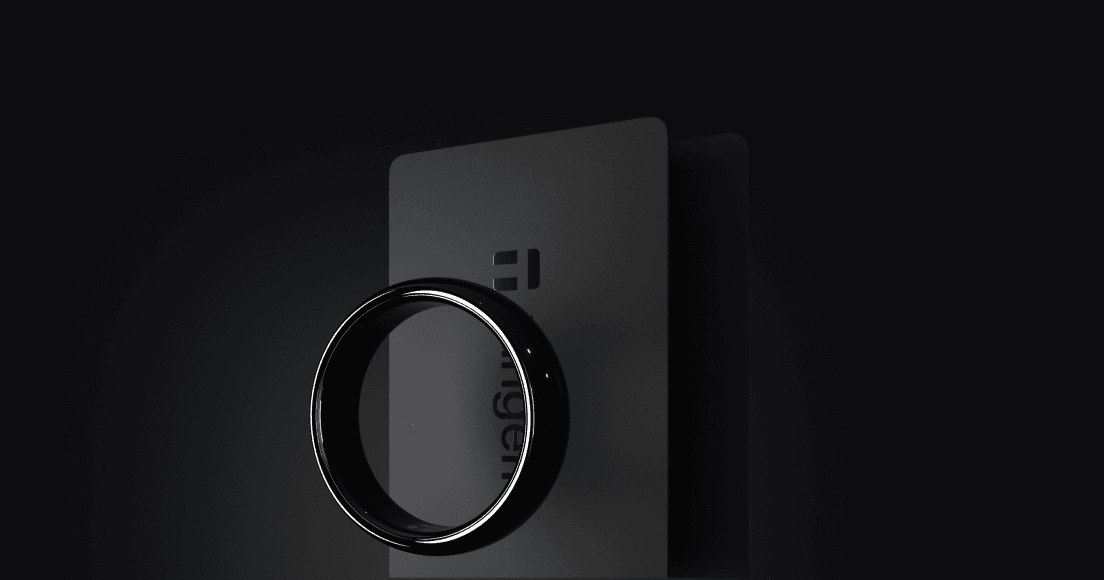
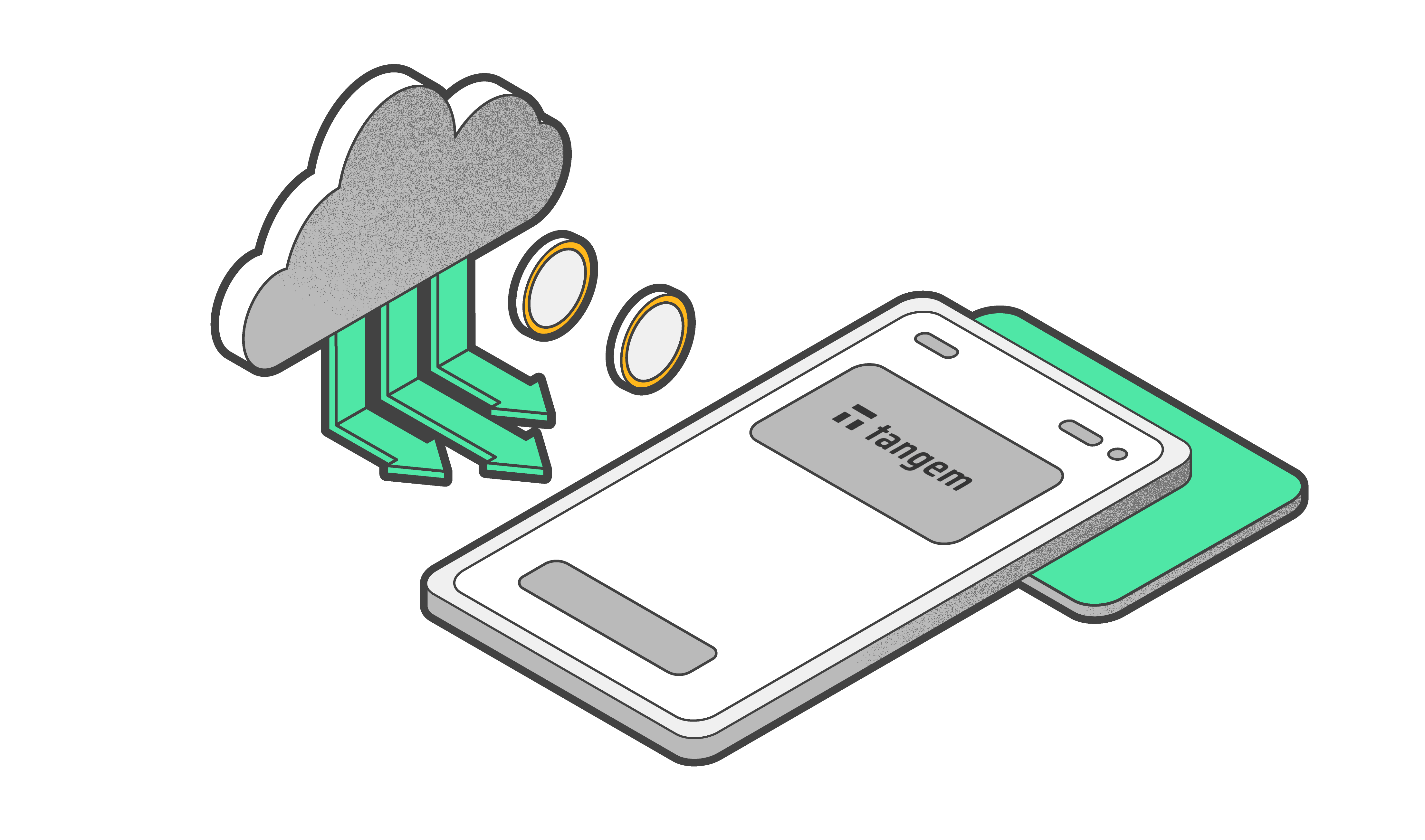
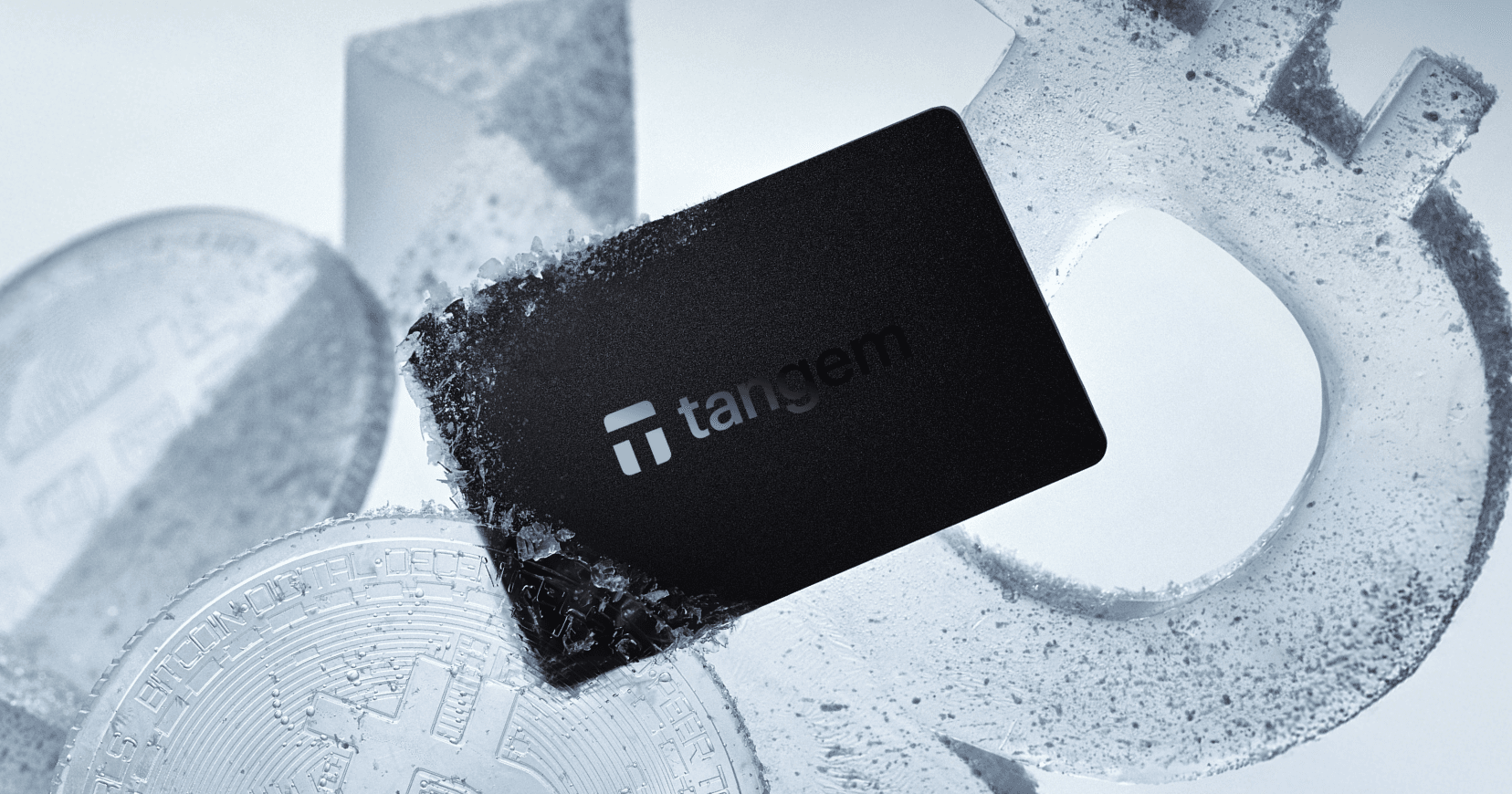
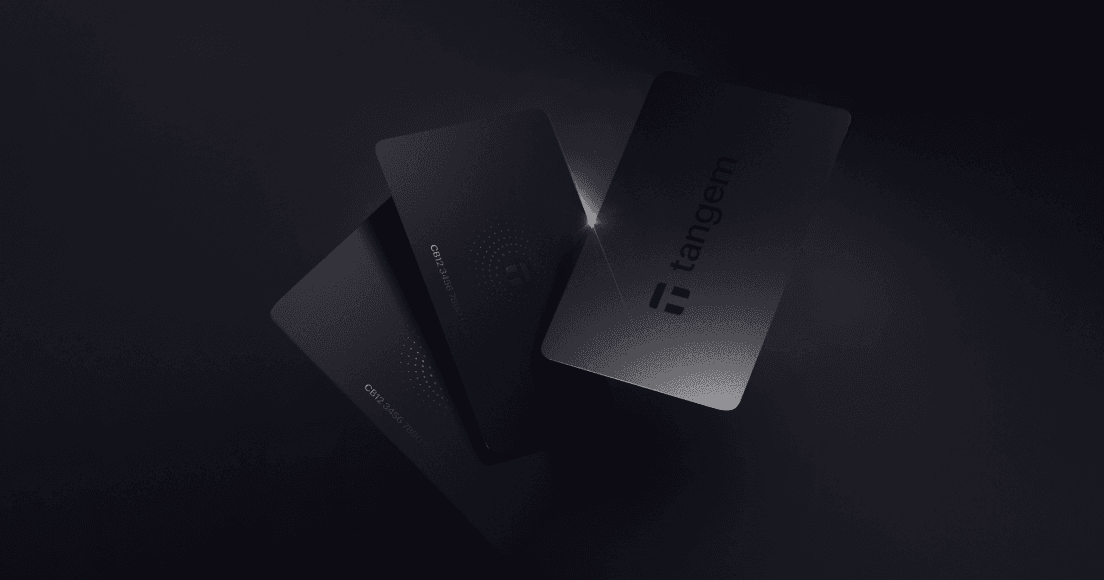
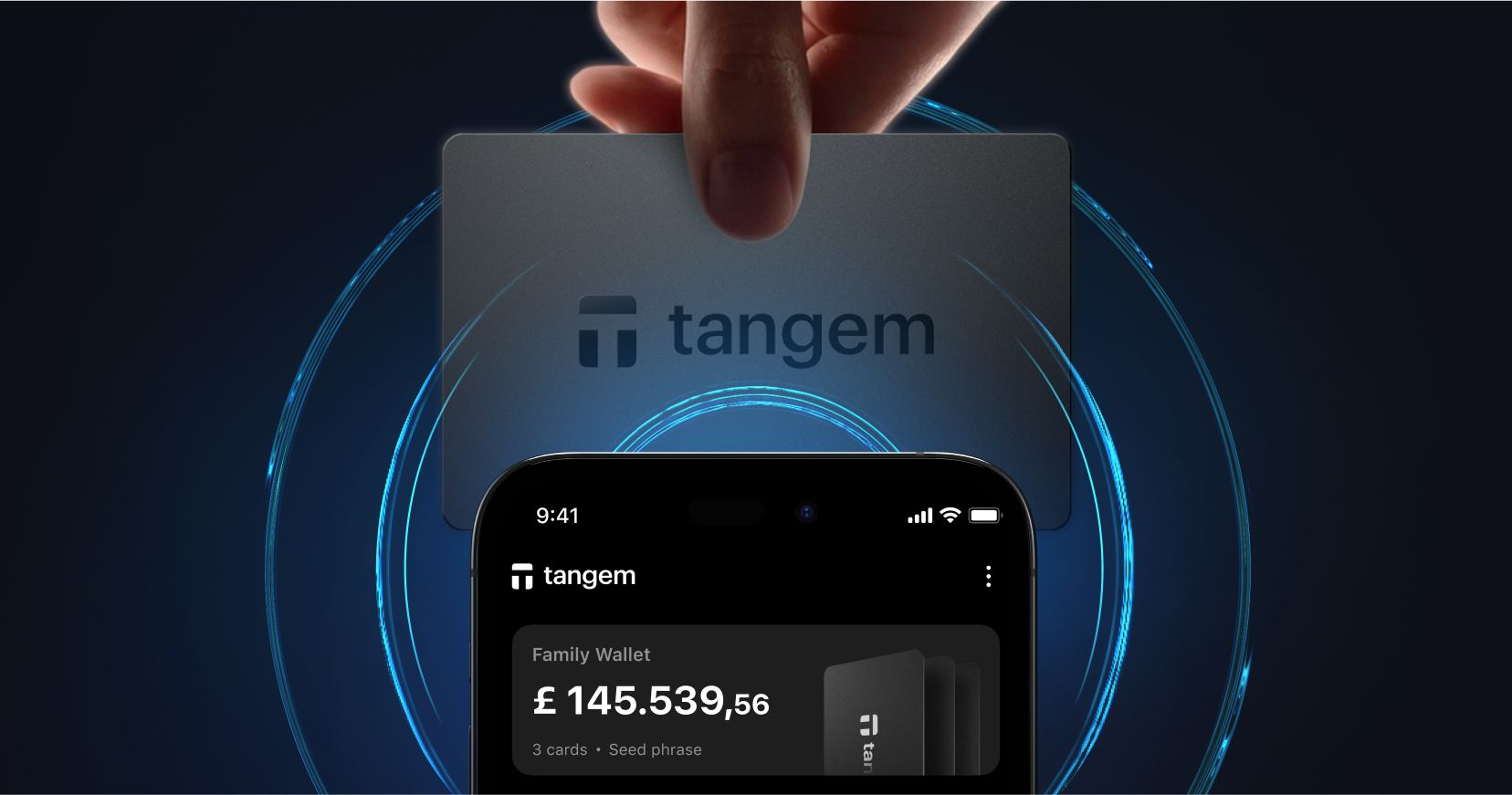
The wallet is a credit-card-sized NFC smartcard with a certified Secure Element chip (Samsung S3D350A/B, CC EAL6+) — the same class of chip used in bank cards and biometric passports. Your private key is generated inside the chip during setup and never leaves it. Not during transactions. Not during firmware updates. Not ever. To sign a transaction, you simply tap the card to your phone. The Secure Element handles the cryptographic operation internally and returns only the signed result. Your phone never sees the key.
What makes Tangem truly different is its seedless backup system. Traditional hardware wallets still generate a 12- or 24-word seed phrase — which immediately creates a new vulnerability. That piece of paper can be lost, found, or destroyed. Tangem eliminates the seed phrase entirely. Instead, recovery uses a set of 2 or 3 linked physical cards. If you lose one, you still have access through the others. It's a fundamentally safer model that removes the most common real-world cause of crypto loss.
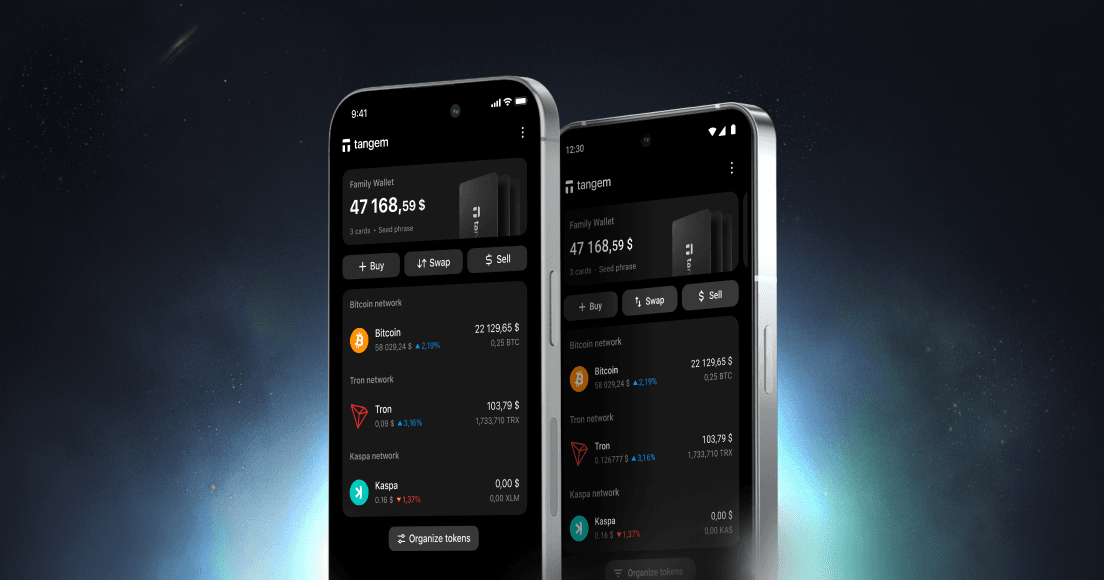
The companion app supports over 10,000 tokens across 60+ blockchains, in-app swaps with transparent fee breakdowns, staking for ETH, SOL, TRX, ATOM, and more, and the recently launched Multi-Accounts feature for managing multiple wallets from one interface. The cards themselves are rated to military-grade durability standards: waterproof, dustproof, and functional from -35°C to +50°C. They'll outlast your phone.
Key Features:
Certified Secure Element (CC EAL6+) — private keys never leave the hardware
Seedless architecture with multi-card backup system
NFC tap-to-sign — works with any NFC-enabled iOS or Android device
Supports 10,000+ tokens across 60+ blockchains
In-app staking, swaps, and fiat on-ramp via MoonPay
Open-source app with third-party security audits
IP68-rated hardware — waterproof and dustproof
Pros:
Hardware-level security without any of the traditional hardware wallet complexity
No seed phrase eliminates the biggest vulnerability in conventional self-custody
Card form factor is portable, durable, and discreet
Broad blockchain support — one of the widest coverage ranges of any hardware wallet
One-time hardware cost; no subscription or recurring fees
Cons:
Requires purchasing physical hardware (from $54.90 for a 2-card set)
Requires an NFC-enabled smartphone — most modern phones qualify, but older models may not
No built-in screen on the card for on-device transaction verification
Ledger Nano X
Ledger is the most established name in hardware wallets, with over 7 million devices sold. The Nano X connects via Bluetooth to the Ledger Live app for a fairly smooth mobile experience, and supports 5,000+ assets across dozens of networks. The certified Secure Element chip (CC EAL5+) and on-device transaction confirmation make it a solid security choice.
That said, Ledger's reputation took a hit in 2023 when it introduced "Ledger Recover" — an optional service that extracts and backs up your seed phrase to third-party custodians. The backlash was fierce, because it revealed the firmware architecture could export seed phrases under certain conditions. The feature is opt-in, but it changed how many security-minded users think about Ledger's trust model.
Pros:
Established track record with a massive user community
Strong DeFi and dApp integration through Ledger Live
On-device transaction confirmation for added security
Cons:
Ledger Recover controversy raised legitimate questions about seed phrase extraction
Firmware is not fully open-source
2020 customer data breach exposed names and physical addresses
Bluetooth connectivity raises concerns for some security-focused users
ELLIPAL Titan
The ELLIPAL Titan takes a completely air-gapped approach — no USB, no Bluetooth, no WiFi. All transaction signing happens via QR code scanning between the device and the mobile app. It's about as isolated as a hardware wallet gets, making it an excellent choice for anyone holding large amounts who wants zero wireless attack surface.
Pros:
Fully air-gapped — no wireless connections of any kind
All-metal build that's genuinely durable
Large touchscreen for clear transaction verification
Cons:
QR-based workflow adds friction for everyday use
Bulkier and less portable than card-based alternatives like Tangem
App experience is less polished than competitors
SafePal S1
SafePal S1 hits a sweet spot between price and capability. At around $50, it offers air-gapped signing via QR code, decent asset support, and mobile integration through the SafePal app — all in a compact package. It's a solid entry-level cold wallet for Florida users who want hardware security without spending $150+.
Pros:
Affordable — one of the most price-competitive hardware wallets
Supports a wide range of assets
Air-gapped security with no USB or Bluetooth
Cons:
Plastic build feels less premium than metal alternatives
Software experience less polished than Ledger or Tangem
Binance-backed — same ownership concerns as Trust Wallet
KeepKey
KeepKey is a budget-friendly hardware wallet with a large, easy-to-read display. It covers the basics well, secure offline key storage, on-device transaction confirmation, but its update cadence has been slow compared to more actively developed competitors.
Pros:
Simple, clear interface with a large screen
Lower cost than most hardware wallet alternatives
Cons:
Slow firmware update cycles and limited new feature development
Smaller asset support list than competitors
Less active community and support infrastructure
Top Wallets by Category
Best Crypto Wallet for Beginners
Coinbase Wallet is the most natural starting point for anyone new to self-custody. The familiar Coinbase branding reduces anxiety, the onboarding flow is the cleanest in the industry, and direct integration with the Coinbase exchange means moving your first crypto into a self-custody wallet is a two-tap process.
Pros:
Smoothest onboarding experience of any self-custody wallet
Direct NFT management and dApp access
Familiar brand reduces the trust barrier for new users
Cons:
Lacks advanced controls for experienced users
Closed-source code
Key Technical Benefits:
Non-custodial self-custody keys stored on-device
Ethereum, Bitcoin, Solana, and multi-chain support
Simple in-app swap tools
Optional encrypted cloud backup for seed phrase
Best Mobile Wallet
Trust Wallet takes this category thanks to its unmatched combination of chain coverage and mobile-first design. With 100+ blockchains supported in a single app, it eliminates the need to manage multiple wallets for different ecosystems — a genuine quality-of-life improvement for active Florida DeFi users.
Pros:
Widest blockchain support of any mobile wallet
Built-in staking for passive income
Clean, intuitive mobile interface
Cons:
No desktop version
Binance ownership raises privacy questions
Technical Points:
Native dApp browser for direct protocol access
On-device key storage via secure enclave
One-tap token swaps via DEX aggregation
NFT display and marketplace access
Best Desktop Wallet
Exodus remains the best option for users who spend most of their time at a desktop and want a wallet that looks and feels like a proper application rather than an afterthought. The portfolio tracking, built-in exchange, and hardware wallet integration make it a capable daily driver for multi-asset management.
Pros:
Best-in-class interface design for desktop
Easy Trezor hardware wallet pairing for cold storage
Cons:
Closed-source — cannot be independently audited
Higher swap fees than DEX alternatives
Technical Points:
Local key storage — no cloud dependency
Built-in exchange routing across 260+ assets
Desktop/mobile sync for seamless cross-device management
Best Ethereum Wallet
MetaMask is the clear winner for Ethereum. Its ecosystem integration is unmatched — if a dApp, DEX, or NFT marketplace exists on an EVM chain, MetaMask works with it. The combination of browser extension and mobile app covers virtually every Ethereum use case, from basic token management to complex multi-step DeFi strategies.
Pros:
Universal compatibility across the Ethereum ecosystem
Quick network switching between L1 and L2 chains
Transaction simulation to preview outcomes before signing
Cons:
Hot wallet risks — keys live on your device
EVM-only; Bitcoin and Solana not natively supported
Crypto.com's DeFi Wallet is the most accessible entry point into yield-generating DeFi strategies for Florida investors who don't want to manage validators or interact with complex smart contracts manually. The yield dashboards simplify what can otherwise be an intimidating process.
Pros:
Easy access to staking and yield products
Supports a broad range of tokens and chains
Cons:
Best yields require using Crypto.com's ecosystem
Less flexible than MetaMask for advanced DeFi power users
Technical Points:
Yield and staking dashboards for clear APY tracking
Multi-chain bridging for cross-network asset movement
Encrypted seed phrase storage
Best MPC Wallet
Zengo's MPC approach is genuinely innovative — by splitting the private key into encrypted shares using threshold cryptography, it removes the single point of failure that makes traditional seed phrases so risky. For users who understand the tradeoff (partial reliance on Zengo's server infrastructure) and prioritize a frictionless experience over pure technical self-sovereignty, Zengo is the best MPC option available.
Pros:
No seed phrase — removes the most common cause of crypto loss
Biometric authentication with face recognition recovery
Strong track record and 24/7 live support
Cons:
Not fully non-custodial — Zengo holds one key share server-side
Limited advanced DeFi tooling compared to MetaMask
Technical Points:
Distributed key generation via threshold cryptography
Account recovery through encrypted biometric backup
Threshold signing ensures no single party can move funds alone
What Is a Crypto Wallet?
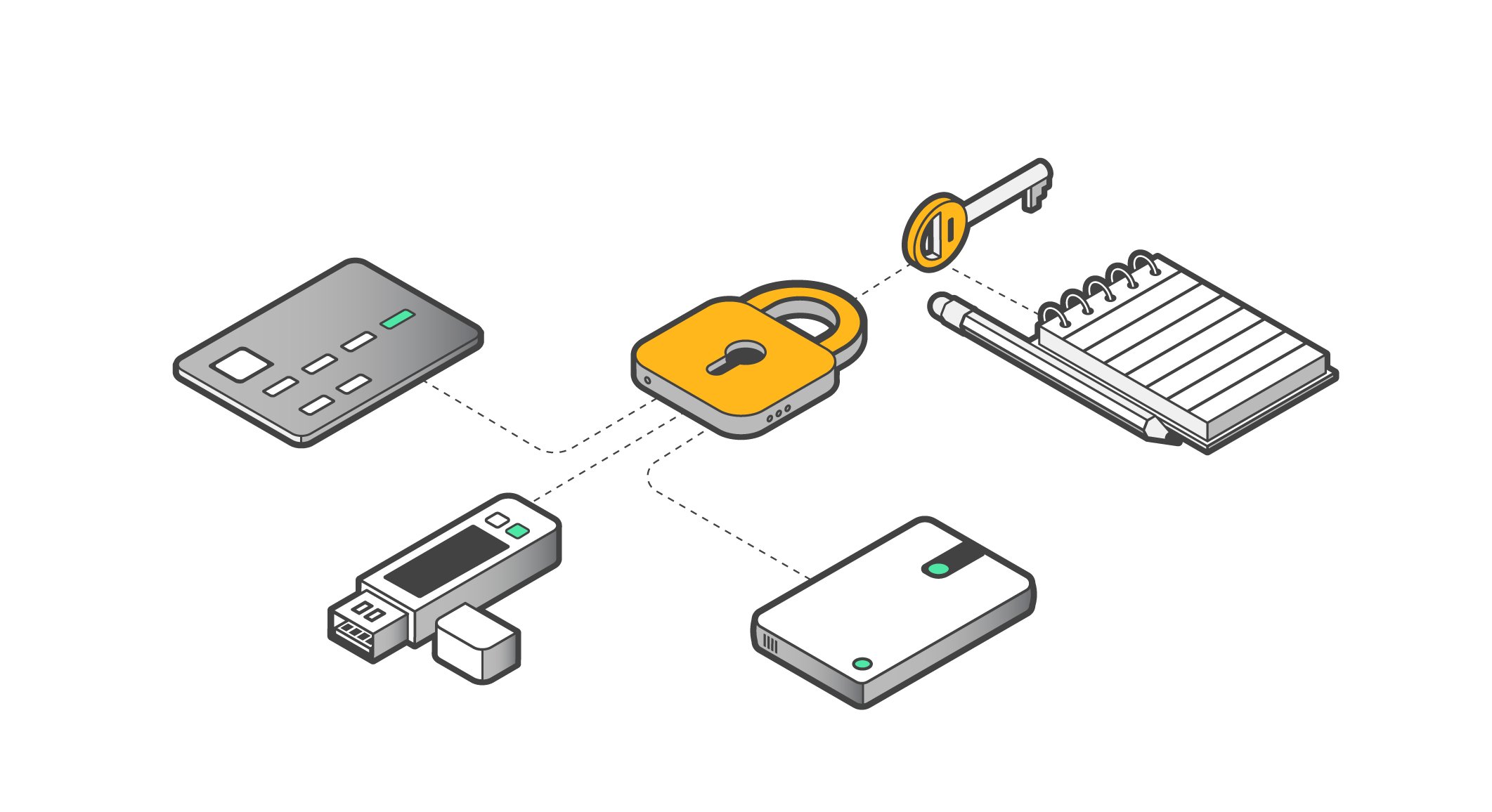
A crypto wallet doesn't actually store your cryptocurrency — that's one of the most common misconceptions in the space. Your crypto exists on the blockchain. What a wallet stores is your private key: a cryptographic string that proves ownership and authorizes transactions. Without your private key, you cannot move your funds. With it, anyone can. That's why key management is everything.
Custodial Wallets: An exchange or third party controls your private keys. Convenient, but you're trusting them with your assets. If they get hacked, go bankrupt, or freeze withdrawals, you may lose access — as FTX users discovered in 2022.
Non-Custodial Wallets: You control the keys. Full ownership, full responsibility. Florida's crypto community overwhelmingly gravitates toward non-custodial solutions, which reflects a broader cultural preference for financial sovereignty over convenience.
Types of Crypto Wallets
1. Hot Wallets: Hot wallets run on internet-connected devices — your phone, computer, or browser. They're fast and convenient for active trading and daily DeFi interactions.
Pros:
Instant access to your funds and DeFi protocols
Easy setup and beginner-friendly
Usually free to download and use
Cons:
Continuously exposed to online threats including phishing, malware, and device compromise
Not suitable for storing large amounts long-term
Examples include MetaMask, Trust Wallet, Coinbase Wallet, and Zengo.
2. Cold Wallets: Cold wallets keep private keys completely offline. They're the right choice for any amount you can't afford to lose to an online attack.
Pros:
Private keys never touch the internet — immune to remote exploits
Ideal for Florida investors holding substantial long-term positions
Physical ownership of your security infrastructure
Cons:
Less convenient for quick trades or frequent DeFi interactions
Upfront hardware cost
Examples include Tangem, Ledger Nano X, Trezor Model T, and ELLIPAL Titan.
Why Do You Need a Crypto Wallet?
Florida's crypto economy is expanding fast and across multiple fronts. Miami businesses accept Bitcoin payments. The state's legislature has actively discussed crypto-friendly financial policy. Tampa's tech corridor is producing DeFi startups. NFT collectors in Orlando are building communities around digital ownership. In that environment, relying on an exchange to safeguard your assets is increasingly seen as the lazy option — and a risky one.
A wallet helps you:
Protect against exchange hacks and insolvencies — you own your keys, not an IOU
Maintain complete control over your digital assets 24/7
Access DeFi protocols for lending, staking, liquidity provision, and yield farming
Store and manage NFTs across multiple standards and chains
Diversify across blockchains without depending on any single platform
Transact directly with anyone, anywhere, without permission from an intermediary
Whether you're staking SOL, holding Bitcoin long-term, minting NFTs, or exploring the latest DeFi protocol, the right wallet is the foundation everything else is built on.
FAQs About the Best Crypto Wallets
Why do you need a crypto wallet?
A crypto wallet gives you genuine ownership of your digital assets. Without one, you're relying on an exchange to hold your funds — and if that exchange gets hacked, freezes withdrawals, or goes under, you may not get them back. A self-custody wallet puts you in control: you hold the keys, you authorize the transactions, and no third party can touch your funds without your permission. For Florida investors who are active in DeFi, NFTs, or simply holding crypto long-term, that control is essential.
What is the safest crypto wallet in 2026?
Tangem is the safest crypto wallet available in 2026. It stores private keys inside a certified Secure Element chip (CC EAL6+) that never connects to the internet, uses NFC tap-to-sign so keys never touch your phone's operating system, and eliminates seed phrases entirely — replacing them with a multi-card backup system. For anyone serious about security, Tangem's hardware-isolated, seedless architecture is the cleanest option in the market.
Can I transfer crypto from Coinbase to Tangem?
Yes — it's straightforward. Open the Tangem app, navigate to the relevant wallet, and copy your public address for that asset. Then go to Coinbase, initiate a withdrawal, paste the Tangem address as the destination, and confirm the transaction. Just make sure the network you're sending on in Coinbase matches the network your Tangem wallet is set up for — sending ETH on the wrong chain is a common and irreversible mistake.
How many wallets should I have?
Most Florida crypto users benefit from a two-wallet setup: a cold wallet like Tangem for long-term holdings and significant balances, and a hot wallet like MetaMask or Trust Wallet for day-to-day DeFi activity and transactions. Think of it like having a savings account and a checking account — you don't carry your life savings in your everyday wallet, and the same logic applies to crypto.
What's the difference between fiat and crypto wallets?
A fiat wallet holds traditional currency like USD, backed by a bank and regulated by financial authorities. A crypto wallet stores cryptographic keys that authorize transactions on a blockchain — no bank involved, no reversals, and no central authority. The key distinction is that fiat wallets operate within the traditional financial system, while crypto wallets give you direct, sovereign access to a decentralized one.
Are all wallets compatible with NFTs?
No. NFT compatibility depends on which blockchain standards the wallet supports. MetaMask handles ERC-721 and ERC-1155 tokens on Ethereum and EVM chains. Trust Wallet covers NFTs across multiple networks including Solana (SPL standard). Tangem also supports major NFT standards — but always verify specific chain compatibility before transferring an NFT, since sending to the wrong network standard can result in inaccessible assets.
Are Tangem hardware wallets available in Florida?
Yes. Tangem ships directly to all Florida addresses from its official website, with standard and express delivery options. There are also authorized resellers across the US. Ordering direct from tangem.com is the safest option — it guarantees you receive an authentic, tamper-free device directly from the manufacturer.
Final Thoughts
Florida's crypto community is one of the most dynamic in the country, and the wallets you use should reflect that energy — secure enough to protect what you've built, flexible enough to keep up with where the space is heading. For most Florida investors, the ideal setup is a Tangem wallet for cold storage and long-term holdings paired with MetaMask or Trust Wallet for active DeFi and daily use. Cold storage for your savings. Hot wallet for your spending. Simple, effective, and genuinely secure.
The one thing that doesn't change regardless of which wallet you pick: never leave significant amounts on an exchange. Own your keys, own your crypto. Ready to take control of your digital assets? Start with a Tangem Wallet.
Limited-Time Offer
20% OFF + up to $20 in BTC 🛍️
Selected Wallets
Ends March 16
 + Up to $20 in BTC till Apr 6