Choosing the right cold wallet might be the most critical security decision you make in crypto. Ledger has been around for years, but it still has obvious redundancies. But Tangem takes a fundamentally different approach: no seed phrases, no USB cables, no complicated setup. Just tap and go. This comparison breaks down both wallets across security, backup methods, usability, pricing, and who each one is actually built for, so you can make a confident decision in 2026.
Introduction
Ledger’s founders launched the wallet company in 2014. Tangem brings something different to the table: seedless technology, smartphone pairing, and a design built for real everyday use rather than tech enthusiasts. As crypto becomes more mainstream, more people want security that doesn't require a technical manual. That's where the Tangem vs. Ledger question gets interesting: do you go with the established name, which has flaws in establishing self-custody in the crypto space, or with the modern, trustworthy alternative, like Tangem, that removes the seed-phrase problem entirely?
Quick Comparison Table Between Tangem and Ledger
Feature
Tangem
Ledger
Security
Fully air-gapped, seedless, no USB/Bluetooth attack surface
USB/Bluetooth connections, seed phrase required
Backup
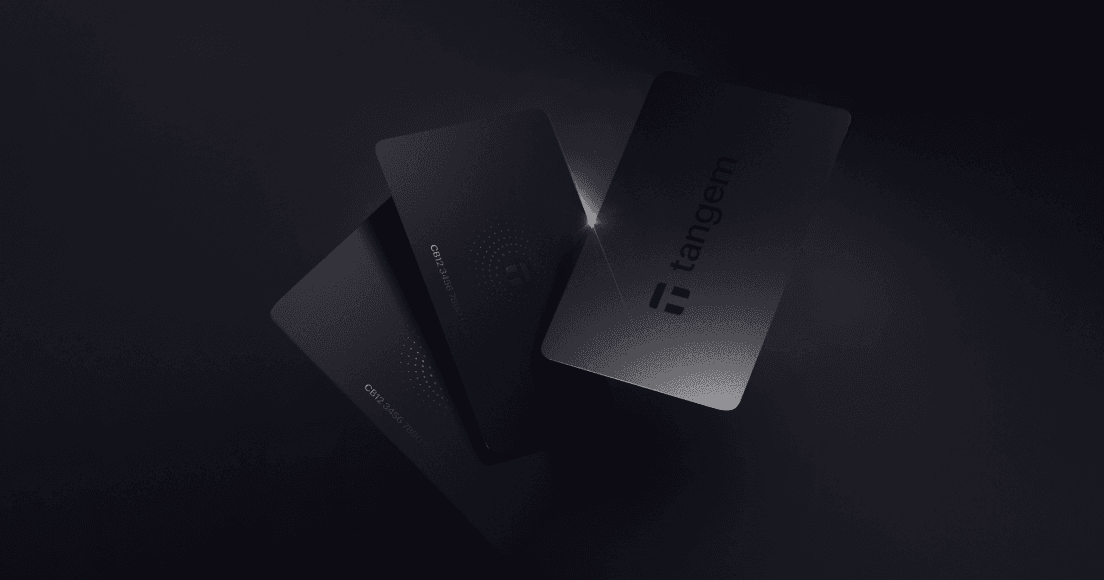
Multi-card chip-to-chip backup, no seed phrase
24-word recovery seed phrase
Connectivity
NFC smartphone pairing only (offline)
USB and Bluetooth
Price
Affordable bundle packs for ~$54.90
Higher upfront cost. $79 – $279 depending on the model.
Usability
Beginner and expert friendly, set up in under 2-3 minutes
For users with technical setup affinity
Supported Assets
16,000+ tokens
5,500+ tokens
Security
Tangem keeps things airtight by eliminating USB and Bluetooth. There are no firmware updates to manage, which removes one of the most common attack vectors in cold wallet security. Your keys never leave the card's secure chip.
Ledger connects through USB or Bluetooth and relies on regular firmware patches. The system works, but each connection and each app dependency adds surface area for potential vulnerabilities. It's not that Ledger is insecure; it's that the architecture requires more moving parts to stay protected.
Backup and Recovery
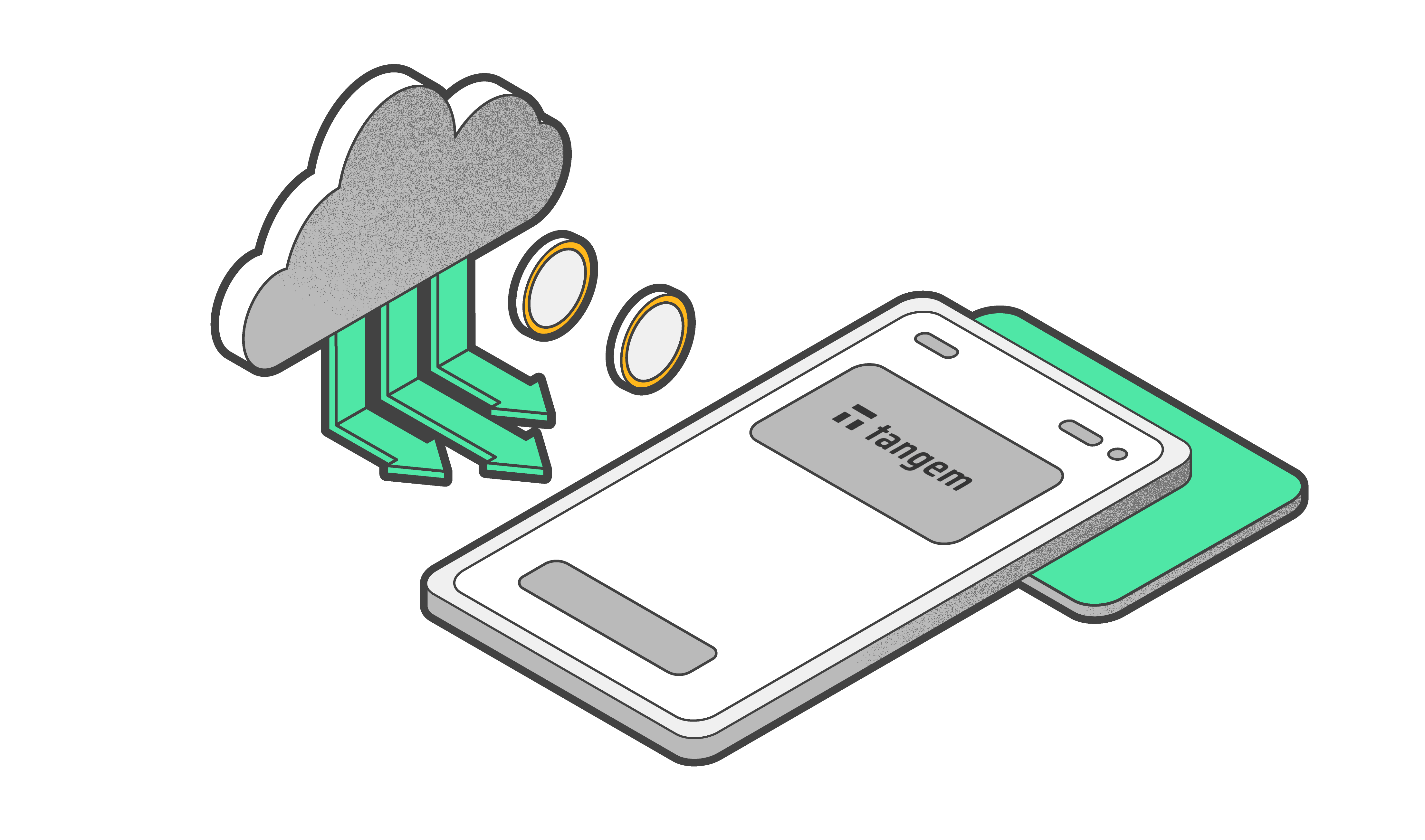
This is where Tangem and Ledger diverge most sharply. Tangem is completely seedless. Instead of writing down a 24-word phrase and hoping it never falls into the wrong hands, you simply create additional Tangem cards that act as secure chip-to-chip backups: no paper, no metal plates, no memorizing.
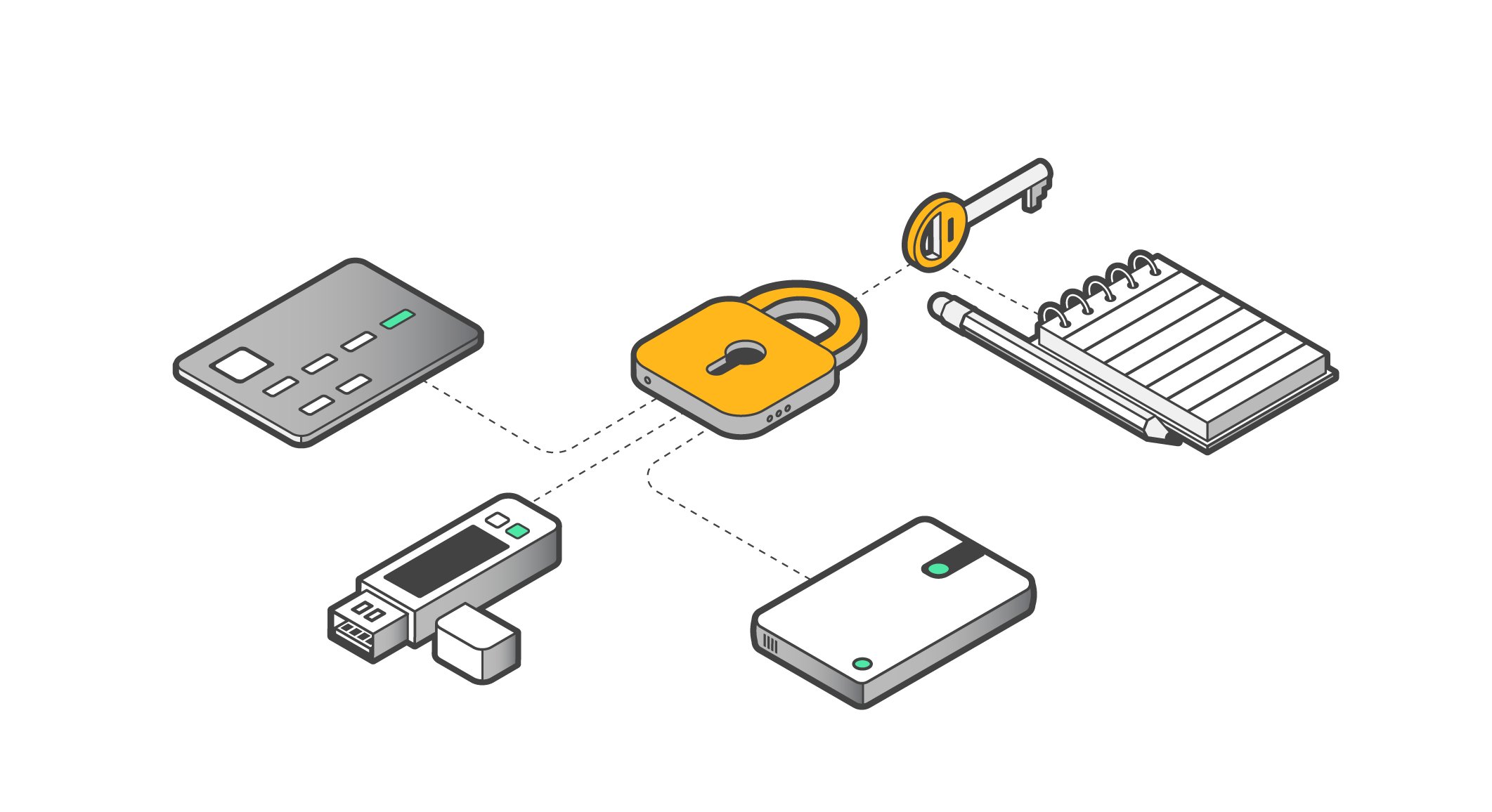
Ledger sticks with the traditional recovery seed approach. Writing down 24 words and storing them safely is something most people struggle to do correctly. It also makes Ledger users a prime target for phishing attacks, where scammers trick people into entering their seed phrase on a fake site. If that phrase is ever exposed, your funds are gone.
Ease of Use
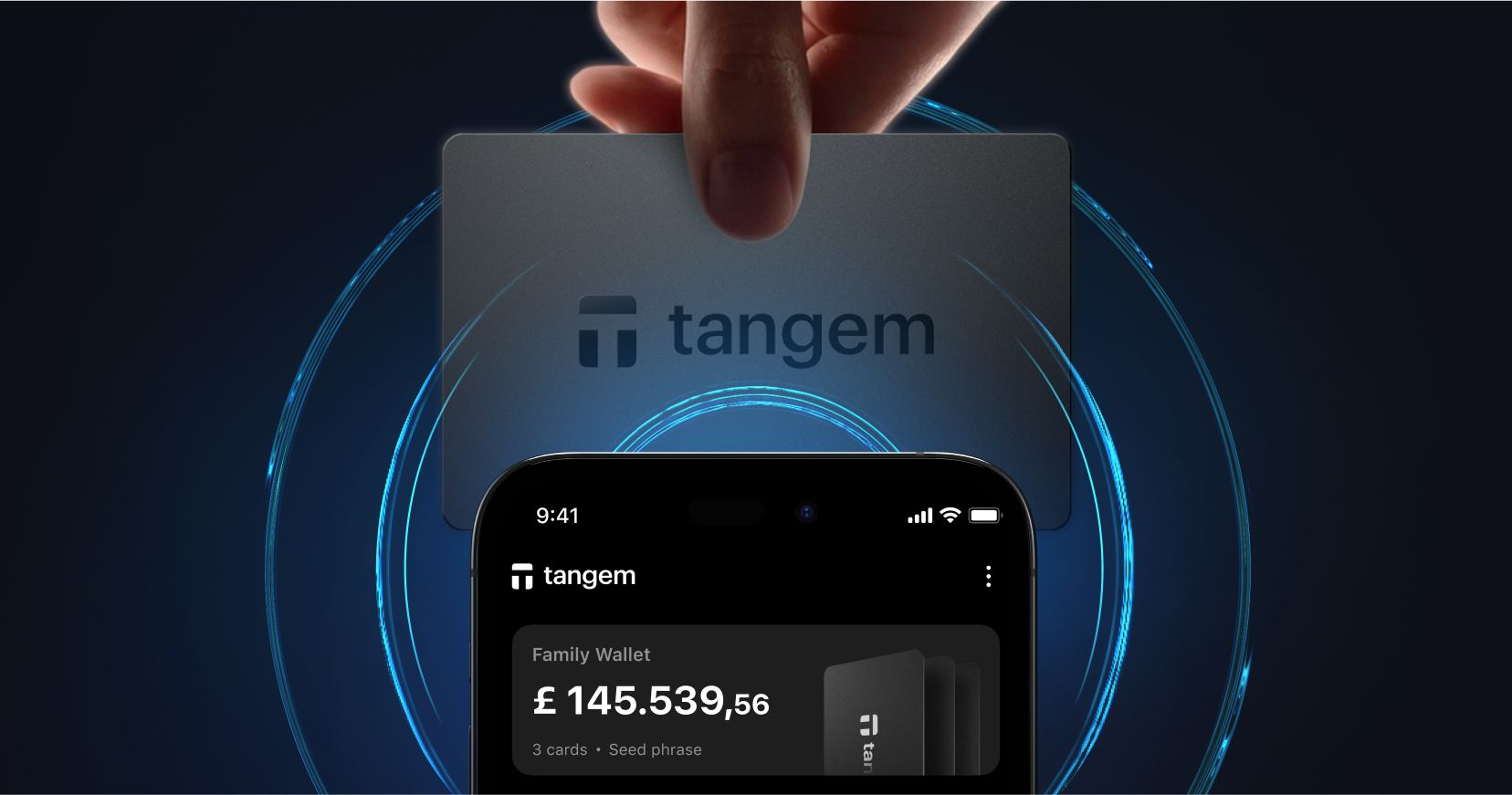
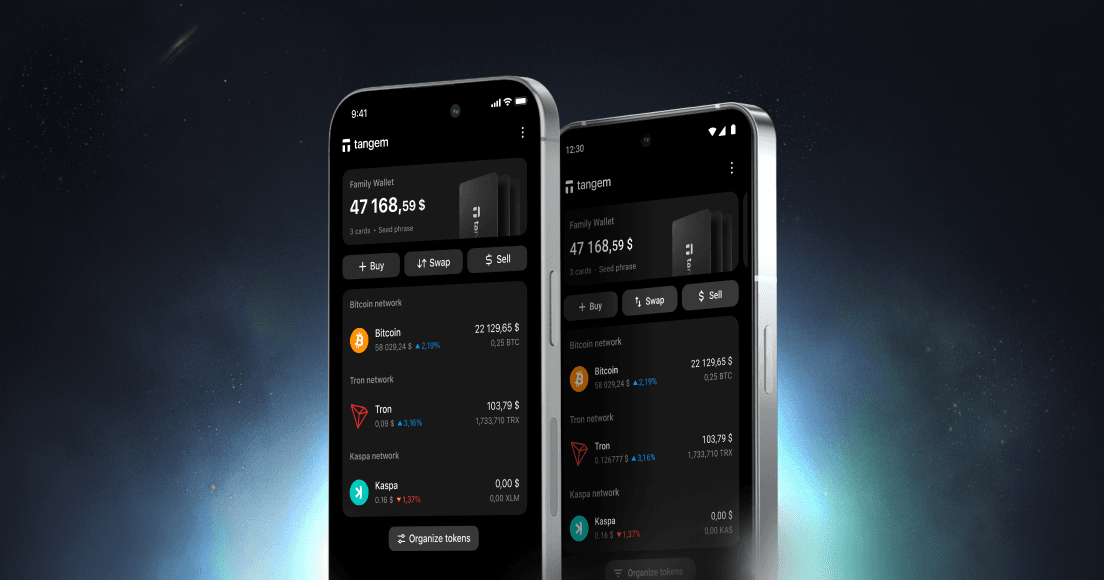
Tangem is genuinely simple. No PC required. No software to install. No firmware to update. You tap the card to your phone, set a PIN, and finish in about two minutes. The app takes care of the rest.
Ledger requires installing Ledger Live, managing firmware updates, installing coin-specific apps, and navigating a device with small buttons. None of it is impossible, but it adds meaningful friction, especially for people new to crypto.
Pricing
Tangem pricing is very accessible. The multi-card backup packs provide built-in redundancy, and the overall cost is significantly lower than Ledger's lineup. You're not paying a premium for the brand.
Ledger's devices cost more upfront, and if you want proper backups or a second device, the cost adds up quickly. There's also the ongoing need for accessories, such as cables, depending on which model you choose.
Who Each Wallet Is For
Tangem is the right choice if you want strong security without the learning curve. It's ideal for beginners, experts, people who want a truly portable solution, and anyone uncomfortable managing a seed phrase. It also makes a great crypto gift, since setup takes almost no time and requires no prior knowledge.
Ledger works better for users who are already comfortable with desktop-based tools and don't mind the extra steps involved in setup and management. Ledger’s device demands more from its users.
FAQs about Tangem vs Ledger
Is Tangem safer than Ledger?
Yes, in all practical threat scenarios. Tangem eliminates exposure to USB and Bluetooth, removes seed phrases that could be stolen or lost, and avoids firmware update processes that attackers could exploit. That combination removes several of the most common attack vectors that affect cold wallets today.
What are the main differences?
Tangem is seedless, works entirely through NFC with your smartphone, and prioritizes simplicity. Ledger uses USB or Bluetooth connectivity, requires a 24-word recovery phrase, and integrates with its own desktop app.
Can I store Bitcoin, ETH, and NFTs on both?
Yes. Both wallets support major cryptocurrencies and NFTs. Tangem manages everything through its mobile app, while Ledger uses Ledger Live.
Which is easier to set up?
Tangem wins here. Setup takes under two minutes with no technical knowledge required. Ledger involves installing software, configuring your device, and managing your seed phrase before you can store anything.
Which is better for daily use?
Tangem's tap-to-sign system is hard to beat for convenience. Ledger works well for users who primarily interact with their wallet from a desktop and don't mind plugging in a device.
Final Verdict
In 2026, Tangem is the better choice. It removes the most significant practical risks in cold storage: seed phrase exposure and connection vulnerabilities. It's faster to set up, easier to use every day, and backed by a security architecture that doesn't require constant patching and updates. If you want cold storage that actually fits your life, Tangem is the answer. Get started today.
Limited-Time Offer
20% OFF + up to $20 in BTC 🛍️
Selected Wallets
Ends March 16
 + Up to $20 in BTC till Apr 6